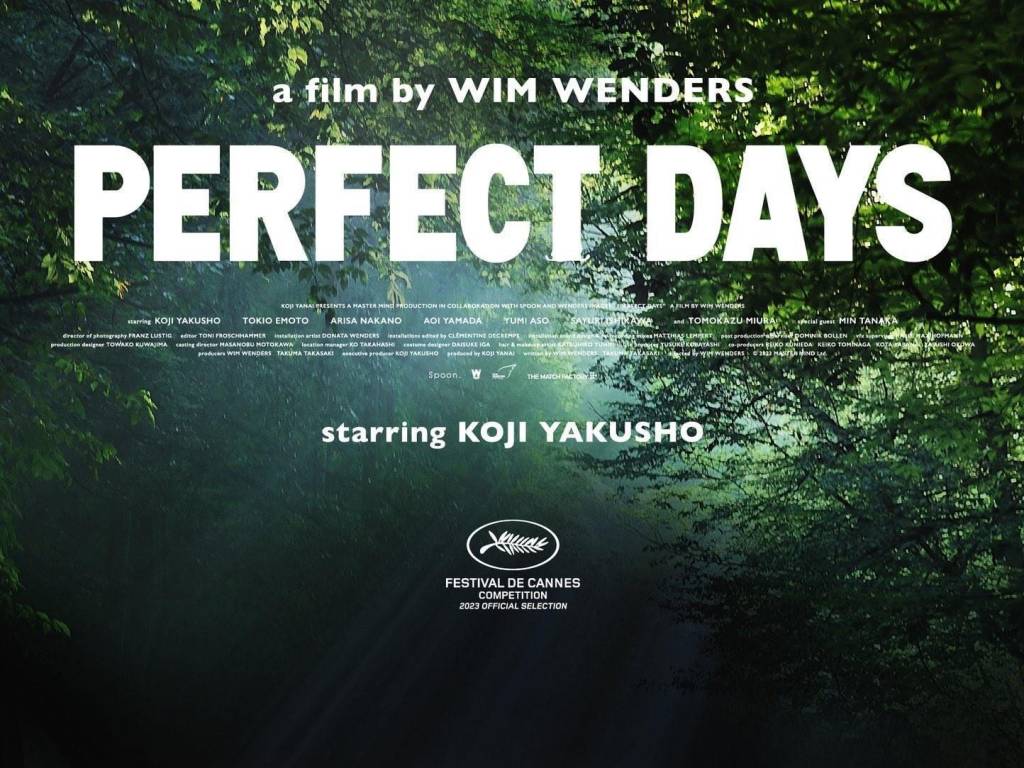
I’ve always found a kind of serenity in Japanese cinema. A stillness that doesn’t need to announce itself.
Perfect Days carries that same feeling. Every frame breathes. Every pause matters. It reminded me of Tokyo Story, not because it tries to be Ozu, but because it understands that ordinary life has its own weight if you’re willing to sit with it.
The black-and-white dream sequences drift through the film like half-remembered thoughts. They interrupt the routine without breaking it, adding something intangible that words probably wouldn’t have managed. They just feel right.
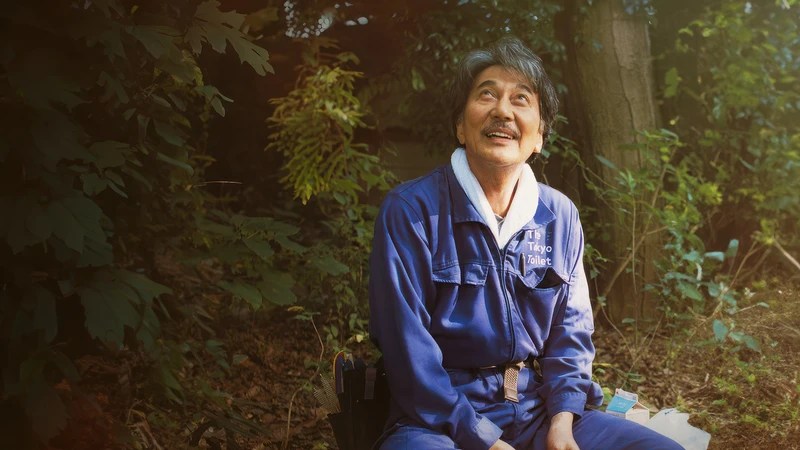
There’s a strange comfort in knowing what tomorrow looks like. The same coffee. The same roads. The same work. It sounds like a prison until you realise it can also be freedom. Hirayama has very little by most people’s standards, yet his life feels richer than most. Books. Music. Trees catching the morning light. A smile from a stranger. That’s enough.
The music is beautiful throughout, even if it occasionally feels a little too American for a story so deeply rooted in Tokyo. Then comes the Japanese rendition of House of the Rising Sun. That one stayed with me. It quietly broke me apart. I wasn’t expecting tears, but there they were.
This isn’t a film chasing a message. It just watches. It notices. Somewhere along the way, you start noticing too.
As the credits rolled, all I wanted was to put Paris, Texas on again. That’s the kind of feeling Perfect Days leaves behind.
Some films ask you to look harder. This one simply asks you to look. That’s more than enough.
11
 Raw Eleven
Leave a comment